


9 October 2026
LIFE SOS Pygargus: second monitoring visit strengthens the monitoring of on-the-ground activities and project planning
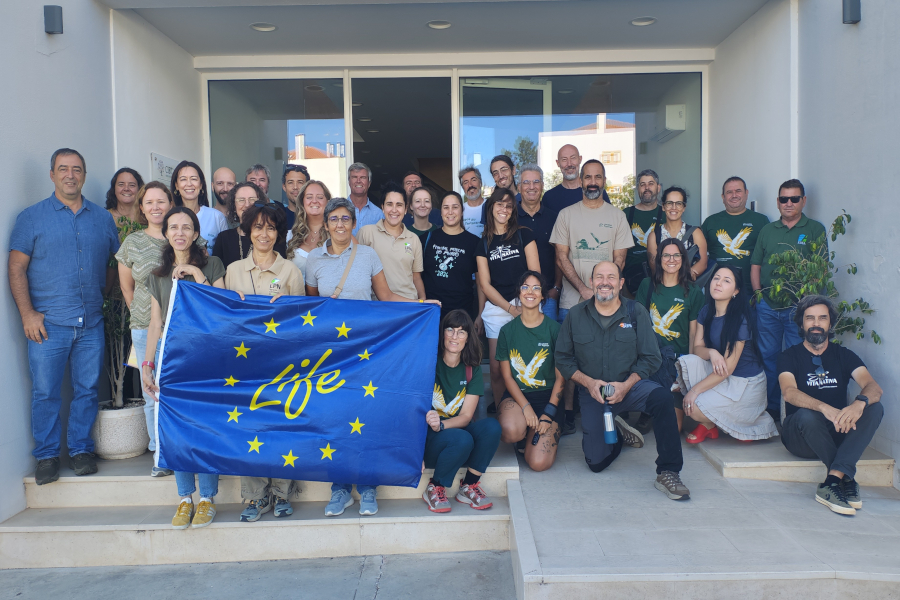
Project partners presented the results and indicators achieved to date. Photo: Palombar.
The main objective of this visit was to assess the progress made in the effective implementation of the project within its area of intervention, to analyse the status of the various ongoing actions and to discuss the main challenges encountered to date. The meeting also provided an opportunity to identify areas requiring adjustment and to define strategies to ensure the planned objectives are met.
Partners’ meeting and technical session: presenting results and indicators
On the first day, a technical session was held with the external monitor, João Salgado, during which the results already achieved and the key performance indicators for all work packages were presented.
Work continued on the morning of the second day with a further technical review of the project, followed by an assessment of financial execution and a discussion of administrative aspects relating to its implementation.
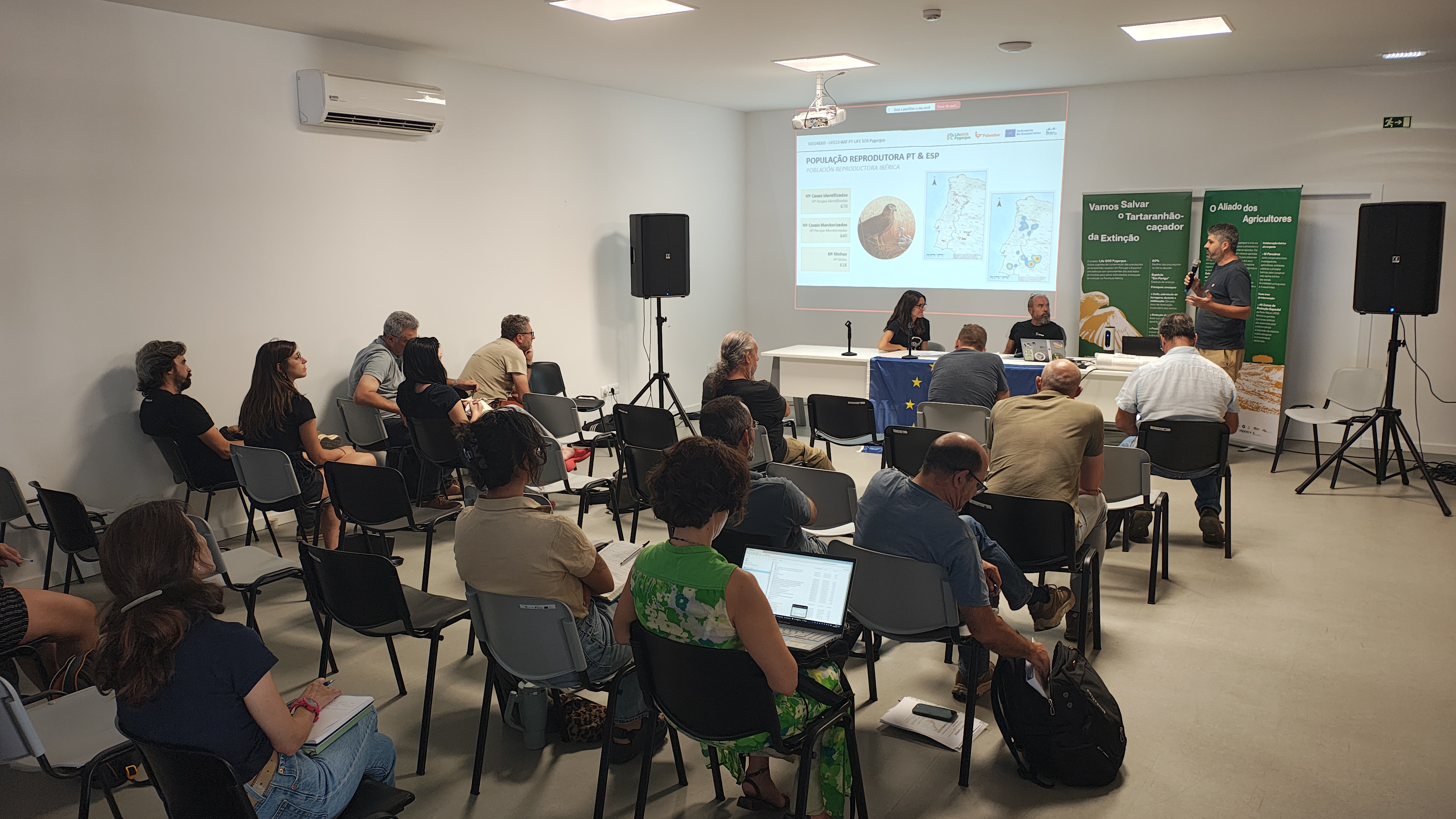
The meeting brought together the project partners to assess results and plan next steps. Photo: Palombar.
Once the indoor working sessions had concluded, participants had the opportunity to take part in a field trip to Castro Verde, led by partner organisation LPN – Liga para a Protecção da Natureza, which is responsible for monitoring activities and fieldwork in the Lower Alentejo.
The visit included a tour of the acclimatisation station run by this organisation – a key facility for boosting the species’ population – and a visit to one of the largest colonies of Montagu’s harriers (Circus pygargus) in Portugal’s cereal-growing regions, in Entradas.
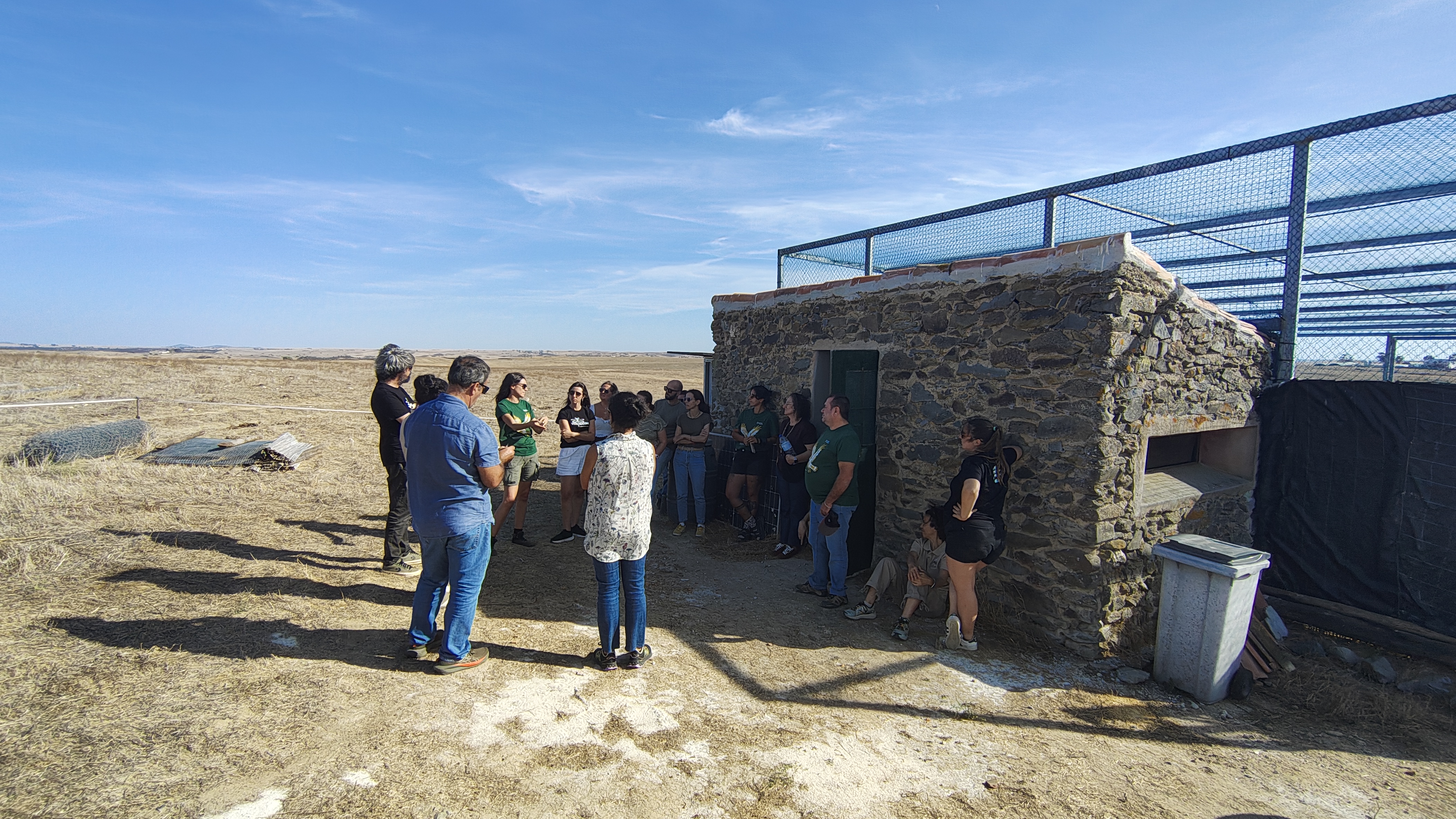
A visit to the Montagu’s harrier acclimatisation station run by our partner LPN in Castro Verde, in the Alentejo – a vital tool for boosting the species’ populations. Photo: Palombar.
In the field, participants were able to observe at close some of the conservation measures carried out as part of the project and discuss the main challenges faced by the experts and farmers involved in protecting the species. This occasion also provided an opportunity for the different partners to exchange experiences, enabling them to reflect on additional measures that could help increase the effectiveness of conservation efforts for the Montagu’s harrier and strengthen the protection of the species in its natural habitat.
(1).jpeg)
Farmers are crucial to the success of conservation measures for the Montagu’s harrier. Many have joined the ‘Friends of the Montagu’s Harrier’ Network, recognising the importance of this species for the balance of the countryside and for agricultural productivity. Photo: Palombar.
The conclusions and recommendations arising from this visit will be particularly important for the drafting of the project’s first interim report, whilst also providing a valuable contribution to the continuation and refinement of the actions planned for the coming years of the LIFE SOS Pygargus project.
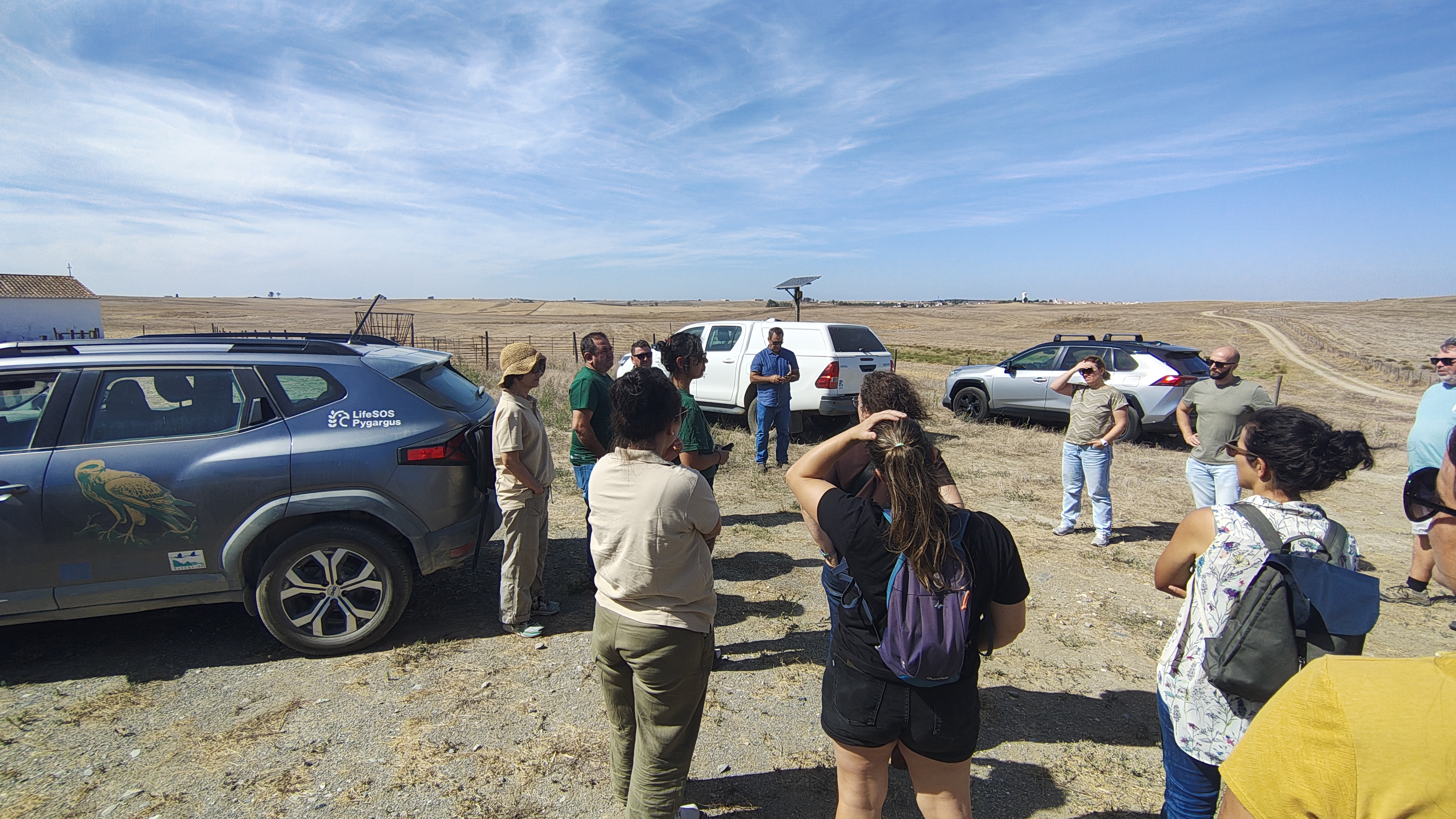
The project continues on the ground to save the Montagu’s harrier from extinction and boost national cereal production. Photo: Palombar.
LIFE SOS Pygargus – Urgent conservation actions for Montagu’s harrier populations in Portugal and Spain is an Iberian project co-funded at 75% by the European Union’s LIFE Programme. It also receives co-funding from Viridia – Conservation in Action, Lightsource bp, the Portuguese Environmental Fund, and the Biodiversity Foundation of the Spanish Ministry for Ecological Transition and Demographic Challenge.
It is implemented by a consortium that includes Palombar – Nature and Rural Heritage Conservation (coordinating entity), BIOPOLIS-CIBIO Association, AEPGA – Association for the Study and Protection of Donkeys, ANPOC – National Association of Protein, Oilseed and Cereal Producers, CCDR-N – North Regional Coordination and Development Commission, EDIA – Alqueva Development and Infrastructure Company SA, ICNF – Institute for Nature Conservation and Forests, INIAV – National Institute for Agricultural and Veterinary Research, LPN – Nature Protection League, MC Shared Services SA, Modelo Continente Hipermercados SA, SPEA – Portuguese Society for the Study of Birds, UTAD – University of Trás-os-Montes and Alto Douro, Vita Nativa – Environmental Conservation, AMUS – Action for Wild World, the Department of Agriculture, Livestock and Sustainable Development of the Regional Government of Extremadura, GREFA – Group for the Rehabilitation of Native Fauna and its Habitat, and the University of Murcia.