



18 December 2025
Breeding success of the Montagu’s harrier increased by 103% in project areas in the Iberian Peninsula
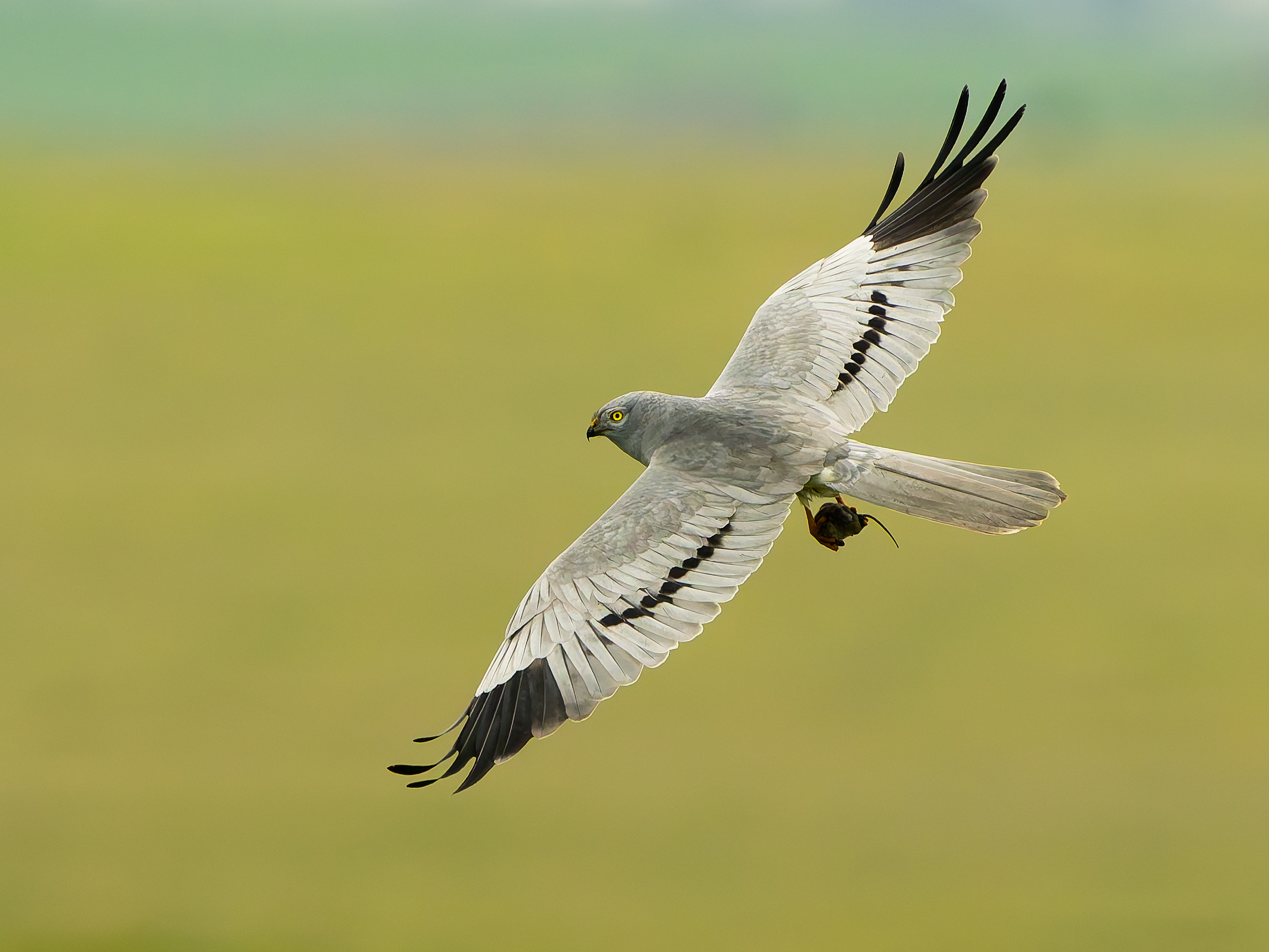
Male Montagu's harrier with a mouse in its talons. Photo: Marco Neves.
Joining agriculture with nature conservation is essential to save this species from extinction
The breeding success of the Montagu’s harrier (Circus pygargus), a migratory bird at risk of extinction in Portugal and Spain, increased by 103% in 2025 due to the “Save the Montagu’s harrier” campaign implemented by the LIFE SOS Pygargus project in Portugal and in the Spanish autonomous communities of Extremadura, Galicia, Madrid and Castile and León. Thanks to the conservation measures of this campaign, which include monitoring individuals, raising awareness and involving farmers and local communities, as well as protecting nests and rescuing and saving eggs and chicks, this species has seen a significant increase in reproductive capacity in the project's areas of intervention in the Iberian Peninsula.
According to estimates made by the project's technicians and researchers, without these conservation measures, only 38% of nesting pairs that lay eggs would have been able to raise at least one fledgling. With the measures implemented in the field, it was possible to help many other pairs achieve reproductive success, increasing the number of nesting pairs that laid eggs and managed to produce offspring to 77%, more than double the previous figure.
Over 600 nests monitored and 216 protected
During the 2025 “Save the Montagu's harrier” campaign, 618 nests of this species were monitored in the project's areas of intervention in Portugal and Spain, on agricultural land and in scrubland in mountainous areas, habitats where it nests. Of the nests monitored, 216 were targeted for intervention to ensure their protection both during agricultural work, such as mowing, and from predation by wild and domestic species, through the installation of protective fences around them.
The Montagu's harrier, which has “Endangered” status in Portugal and “Vulnerable” status in Spain, nests on the ground, mainly on agricultural land with fodder and cereal crops. This protection is essential to increase the reproductive success of the species, an action that is carried out in close collaboration with farmers, who play a central role in the conservation of these birds.
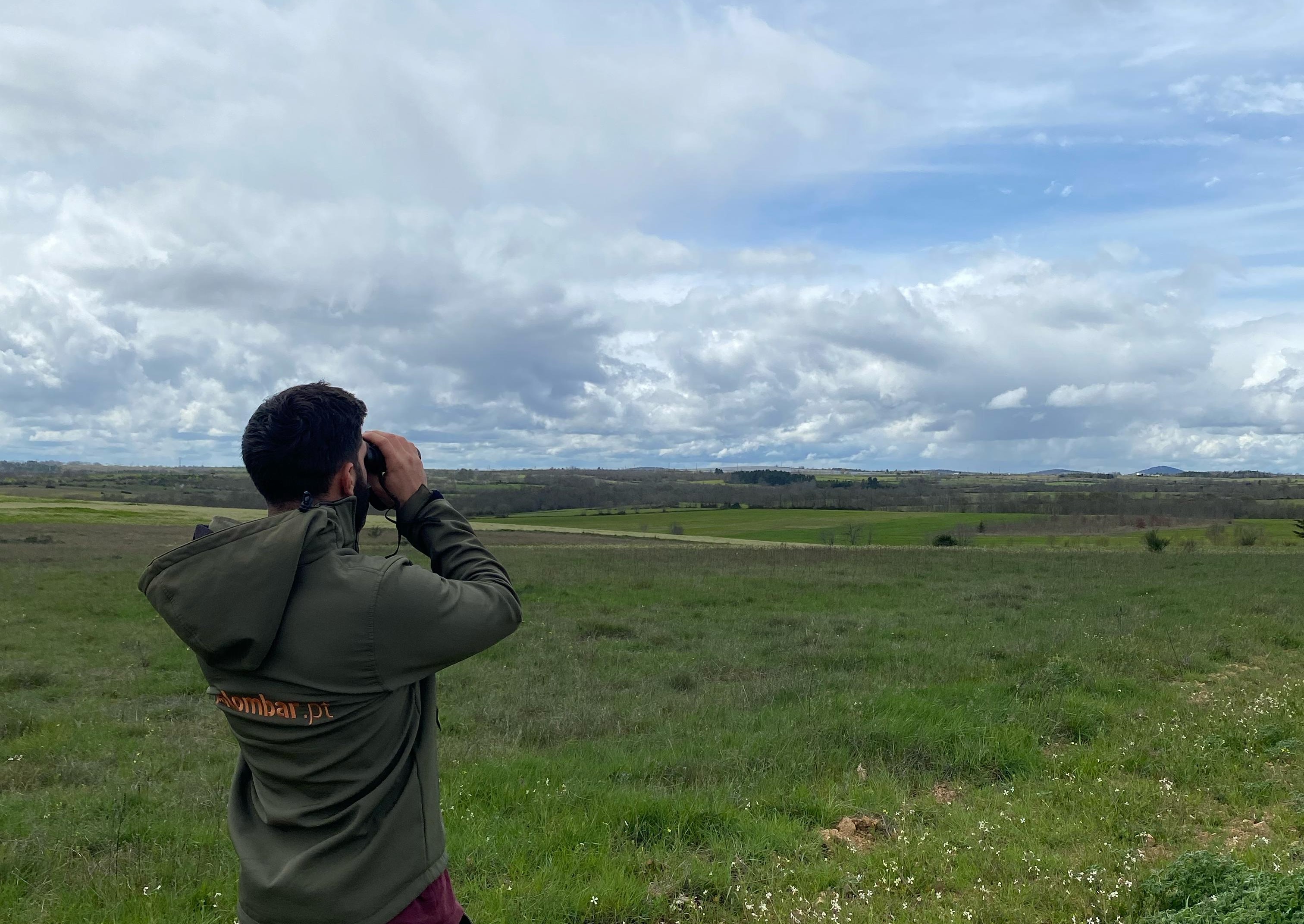
Monitoring of the species is carried out by project partners during the period when it is present in the Iberian Peninsula, in spring and summer. Photo: Palombar.
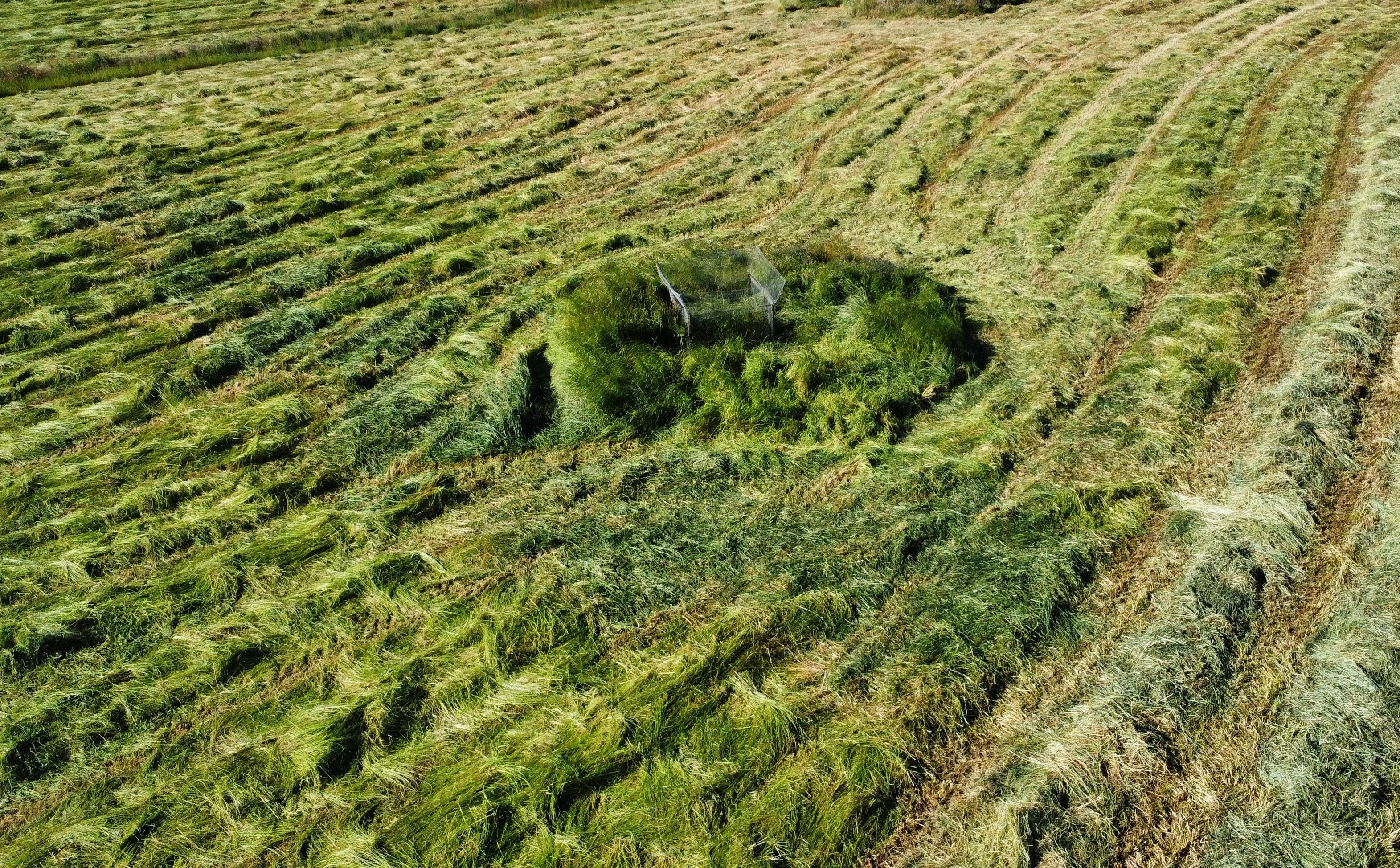
Nest protected on agricultural land. Photo: Filippo Guidantoni/Palombar.
"The increase in the reproductive success of the Montagu's harrier recorded this year is very positive, considering that, according to data from the first census of the species carried out in Portugal in 2022-2023, this bird was on the verge of extinction, and in Spain the situation is also quite critical”, emphasises Joaquim Teodósio, from Palombar and coordinator of the project, adding that “although the situation is still very worrying, the work of all partners, involving multiple sectors and communities, brings hope that this species will continue to fly over our fields.”
68 eggs and 53 chicks of Montagu’s harrier rescued
From nests that could not be protected in the field, project technicians rescued 68 eggs and 53 chicks to prevent their destruction or death. The eggs were transported to specialised centres, where they completed their development, and the chicks, both those rescued in the wild and those from eggs saved in the field, underwent, in Portugal, a period of adaptation to the territory in acclimatisation stations located in the Mirandese Plateau, in the municipality of Miranda do Douro, and in the south of the country, in the municipality of Castro Verde, areas that are vital for the species.
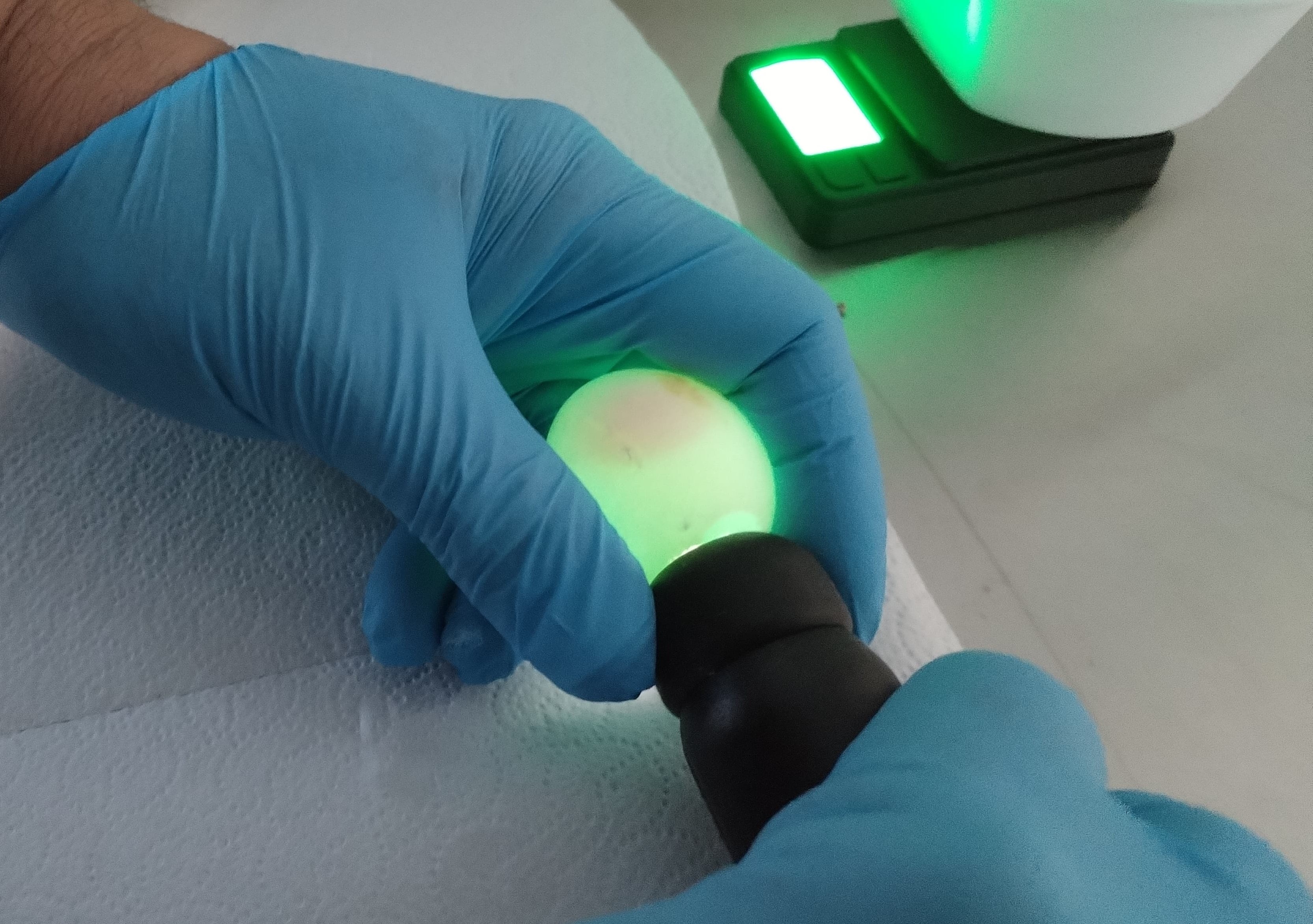
Rescued egg assessed through ovoscopy at the Wildlife Recovery Centre of the Veterinary Hospital of the University of Trás-os-Montes and Alto Douro (CRAS-HV-UTAD), one of the centres where rescued eggs are taken. Photo: Palombar.
These stations were set up to receive the rescued individuals, as well as to recover and reinforce the population of this bird in a specific area, enhancing its philopatry instinct, which is the predisposition of a species to establish its breeding site in the same area where it was born or spent the first weeks of its life.
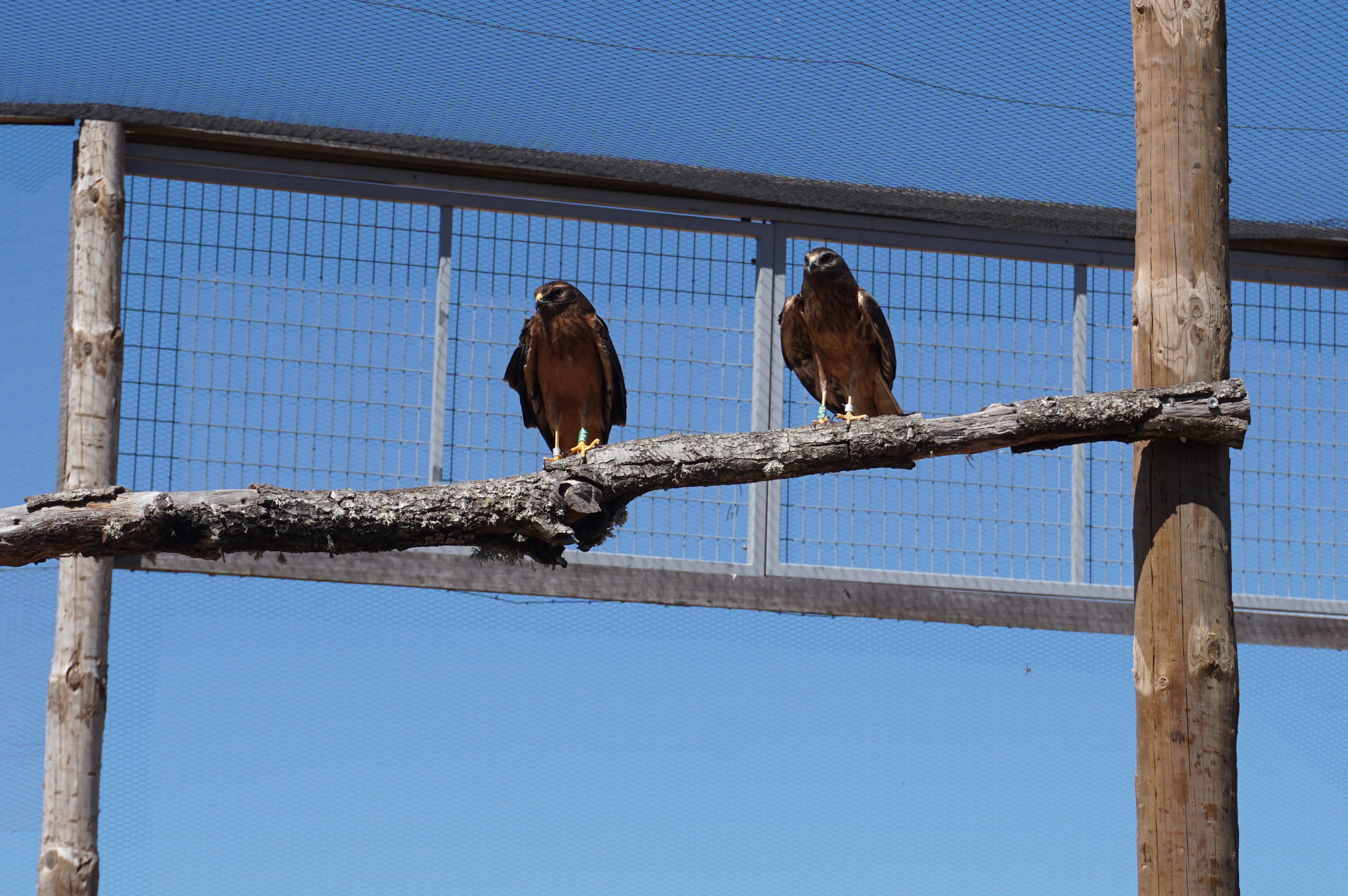
Juveniles at the acclimatisation station located in the Mirandese Plateau (Portugal). Photo: Uliana de Castro/Palombar.
Of the total number of rescued birds (eggs or chicks) that underwent a period of ex-situ care and successfully completed their development, 97 were returned to the wild, contributing to an increase in the Montagu's harrier population in the years to come.
72 birds tagged with GPS
In 2025, 72 Montagu's harriers were also tagged with GPS/GSM devices, a key measure for detecting threats affecting this species and improving conservation measures in the field. The transmitters allow real-time monitoring of tagged birds and provide valuable information on behaviour, migratory movements, nesting and feeding areas, risk factors, among others.
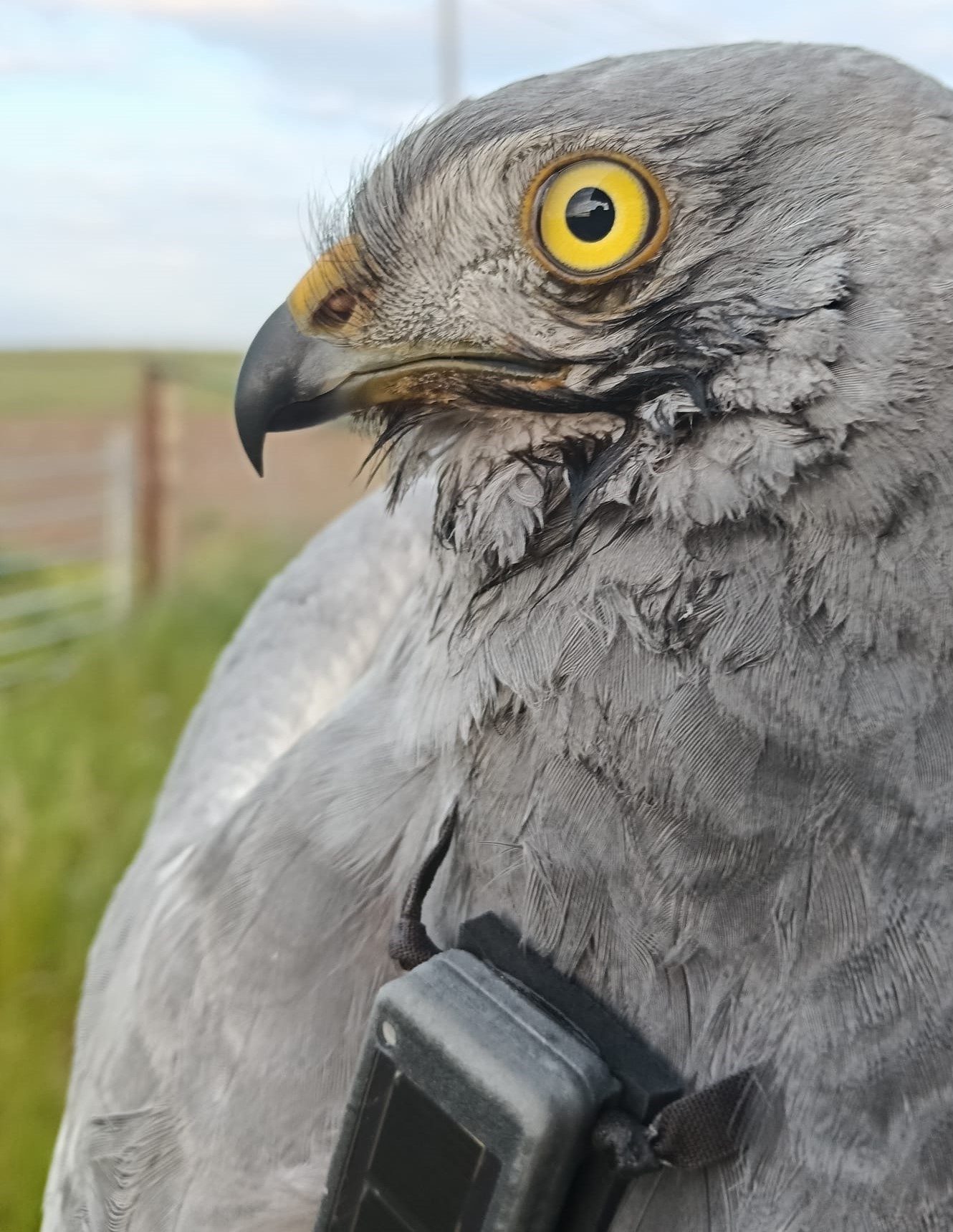
GPS-tagged Montagu's harrier. Photo: Renata Reynaud/LPN.
Predation and rural fires have a relevant impact on reproductive success
As part of the “Save the Montagu's harrier” campaign, it was found that the predation of eggs, chicks and adults has a significant impact on the reproductive success of the species. This predation is mainly carried out by other birds of prey, such as kites, owls and eagle owls, as well as corvids or storks, mammals, namely foxes, among other wild species, or even domestic animals, such as dogs or cats. Mortality has also been recorded due to agricultural machinery, adverse weather events such as extreme heat, among other causes.
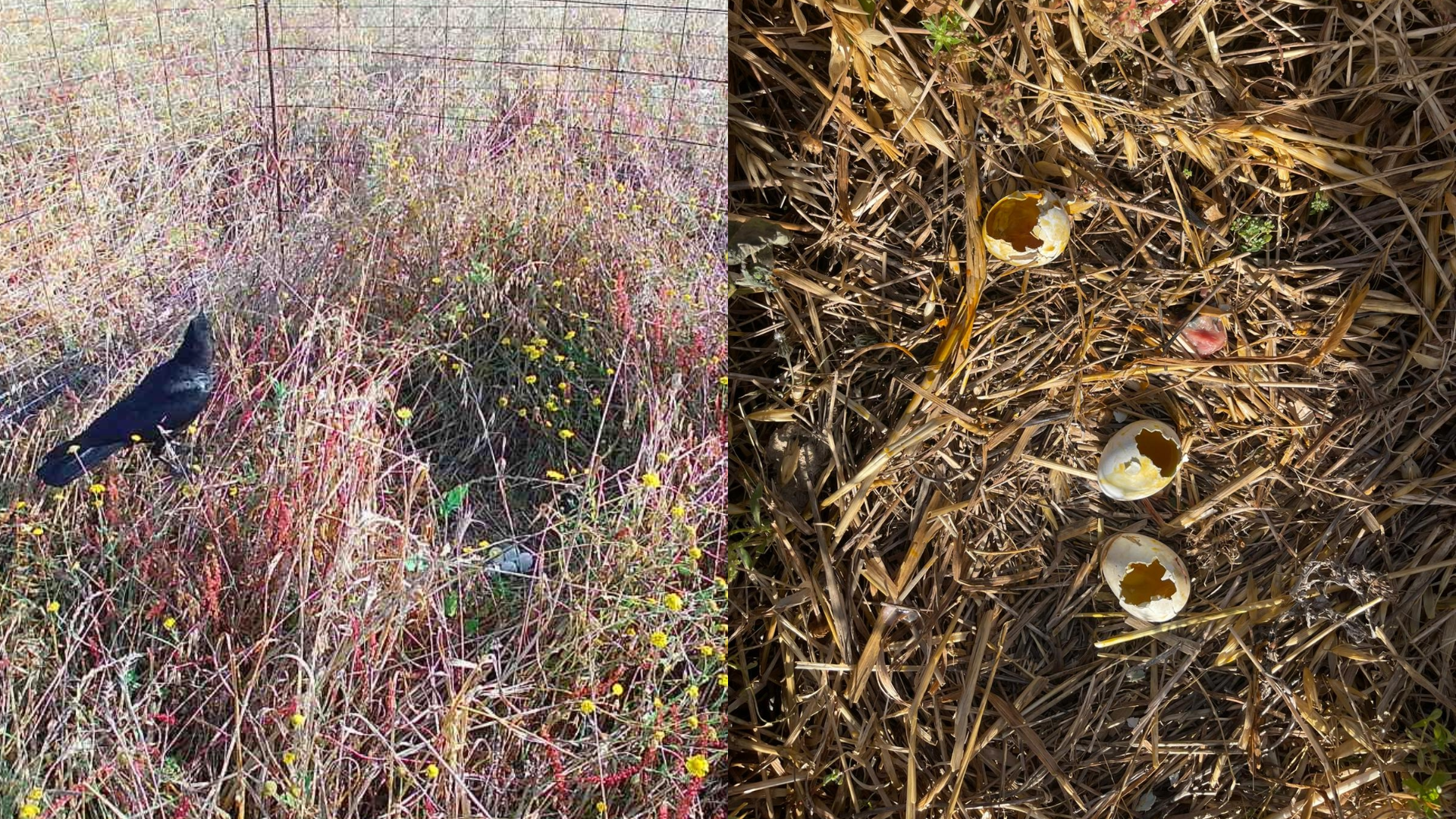
Nest preyed upon by a carrion crow, after being abandoned by its parents. Photos: camera trap/LPN (left), Alba Cifuentes/LPN (right).
Rural fires are another threat that is having an increasing impact on this species, both in scrubland areas, which have been ravaged by large fires this year in Portugal and Spain, and even in agricultural areas, where there have also been cases of juvenile mortality following the fires in 2025, including in regions historically less affected by these events, such as Castro Verde, in Baixo Alentejo (Portugal).
Awareness raising, volunteering and multisectoral collaboration
During the campaign, dozens of farmers and rural agents were actively involved in protecting this species and raised awareness of the fundamental ecosystem services it provides, namely agricultural pest control, contributing decisively to its success. Dozens of volunteers also contributed to the campaign by helping to monitor and protect the Montagu's harrier.
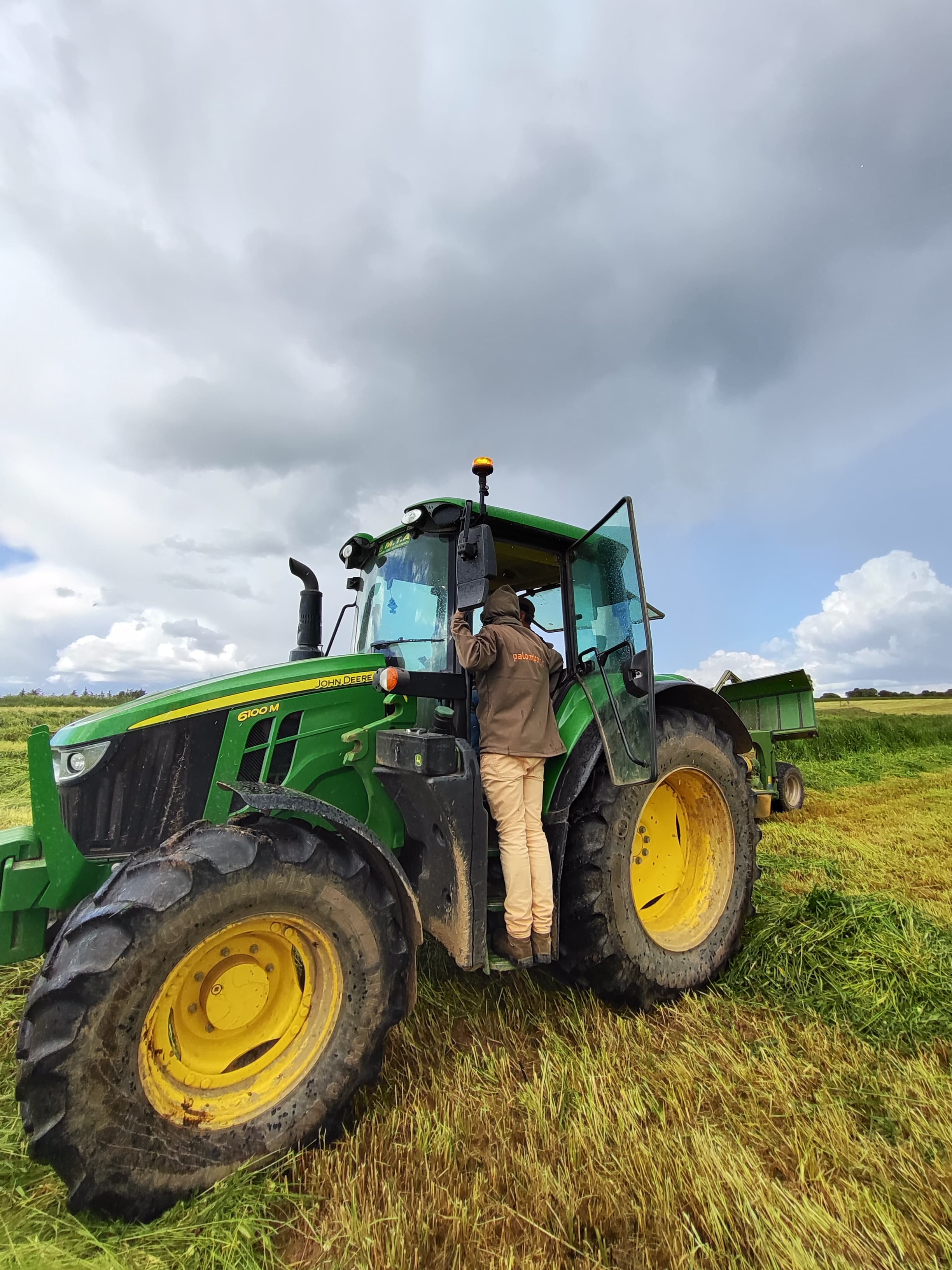
Action to raise awareness among farmers about the importance of protecting the species and the services it provides to ecosystems, particularly the control of agricultural pests. Photo: Palombar.
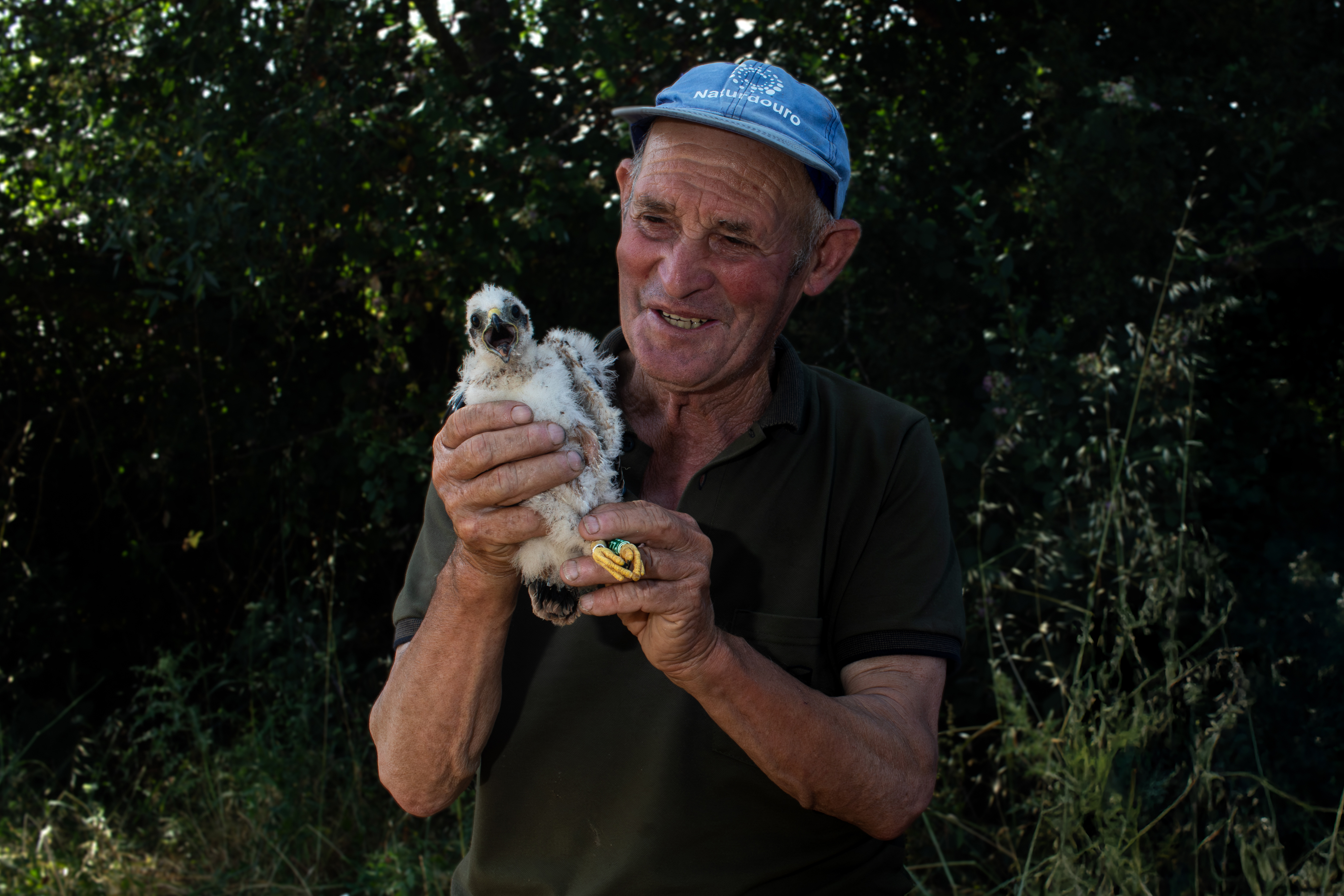
A farmer who actively collaborates to protect the Montagu's harrier holds a chick for a few moments during a nest protection and ringing session in the Mirandese Plateau (Portugal). Photo: Pedro Alves/Palombar.
In addition, the project has made significant progress in multisectoral collaboration to conserve these birds, notably with the signing of a protocol with the Municipality of Carrazeda de Ansiães (Portugal) to strengthen the monitoring of these birds in the northern region.
"One of the main objectives of the project is to improve the survival of chicks by increasing the average productivity of the species, i.e. the number of flying juveniles per nesting pair, from 0.6 to 1.5 - the threshold for population viability. With the conservation measures implemented this year, it was possible to exceed this figure, reaching 1.98 flying juveniles per nesting pair," points out Pedro Horta, researcher and project technician at Palombar.
“Now, the big challenge is to maintain these figures in the coming years. Especially in areas that are less favourable for nesting of this species, from an environmental point of view”, he concludes.
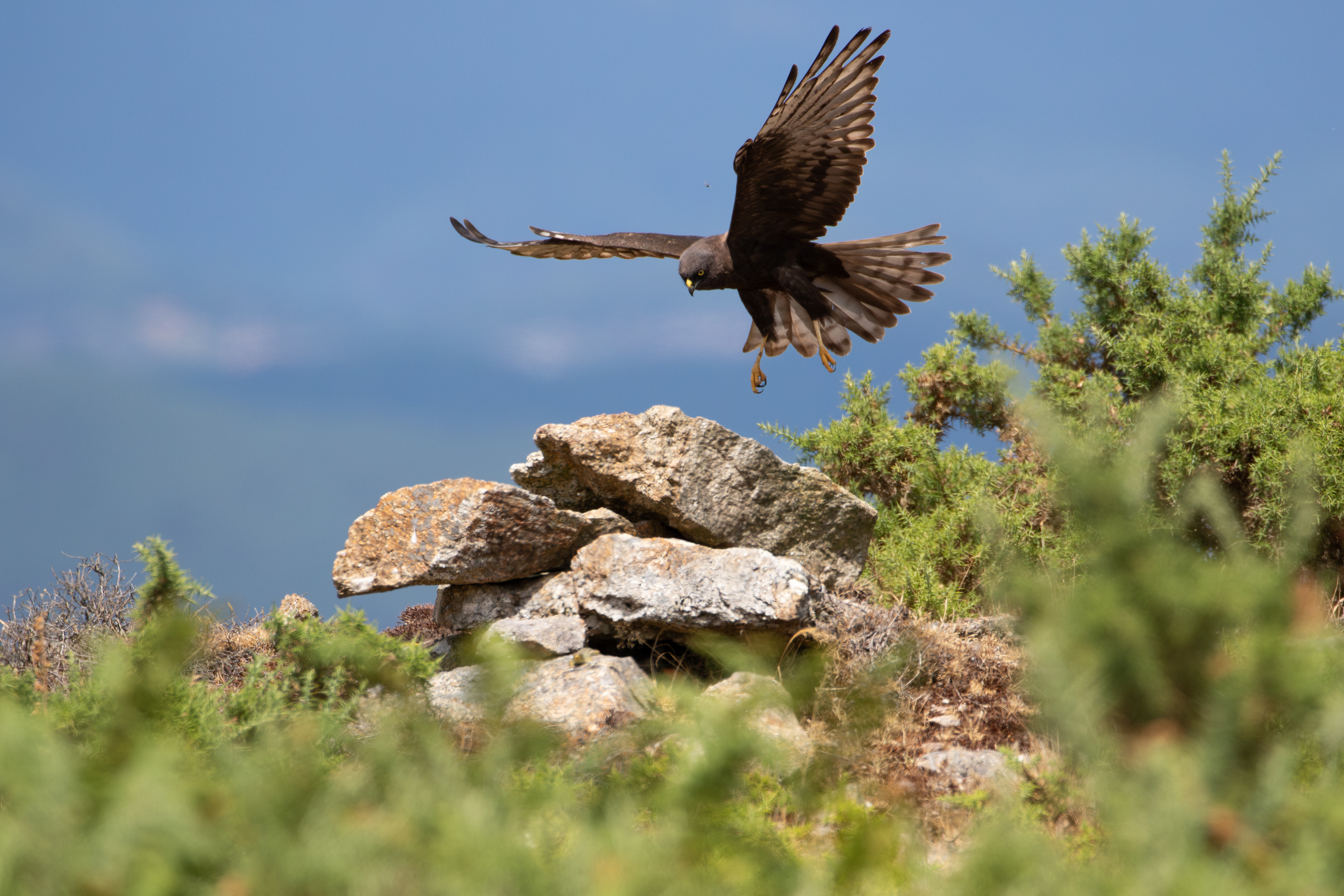
Melanic Montagu's harrier in a srubland in mountainous terrain. Photo: Pedro Alves/Palombar.
Montagu's harrier-friendly cereals: second year of variety trials already underway
With the aim of increasing the habitat available to the Montagu's harrier, the project also aims to contribute to the growth of national cereal production, combining nature conservation with the promotion of agriculture. To this end, it is testing and selecting cereal varieties that are more resistant and better suited to the reproductive cycle of this bird and to the northern region. These are varieties that contribute to regenerative agricultural practices and have greater added value.
The second year of trials of the cereal varieties tested has already begun with their cultivation at Quinta do Valongo, belonging to the Mirandela Innovation Pole of the Northern Regional Coordination and Development Commission (CCDR-Norte), in Trás-os-Montes (Portugal), and at the Elvas Innovation Centre of the National Institute for Agricultural and Veterinary Research (INIAV) in Alentejo (Portugal).
The aim of these trials is to select the varieties with the longest cycle and best suited to the reproductive cycle of the Montagu's harrier (bearing in mind that late harvesting reduces mortality and increases the reproductive success of this species and other steppe birds that nest on the ground in agricultural fields); best suited to the northern region; more resistant to climate change and major diseases and pests; and which protect biodiversity, promoting the balance of agricultural systems.
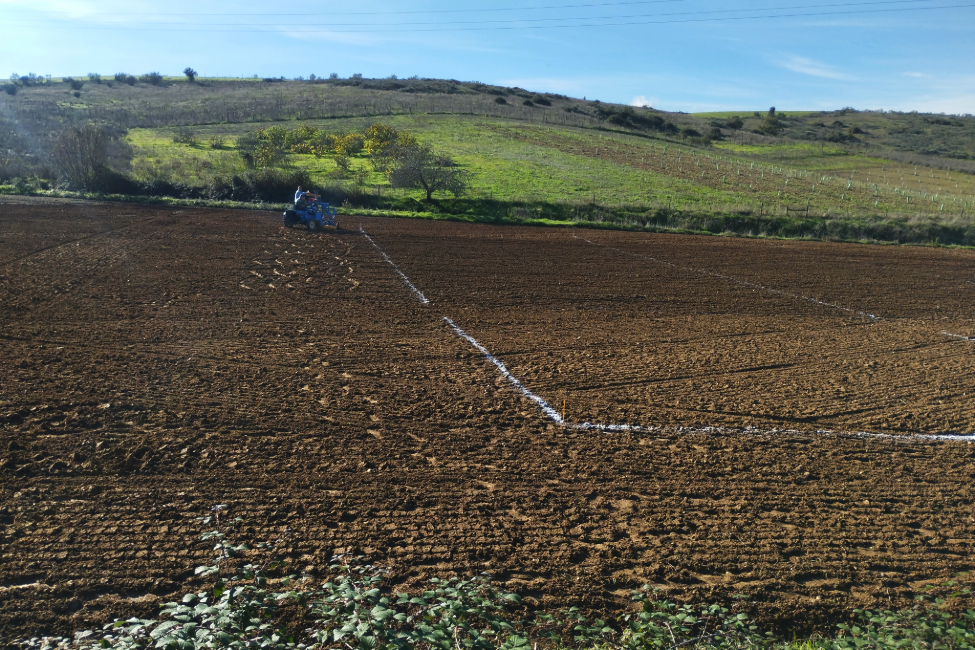
The second year of trials of the tested cereal varieties has already begun. Photo: Palombar.
Follow the project on the official website and social media
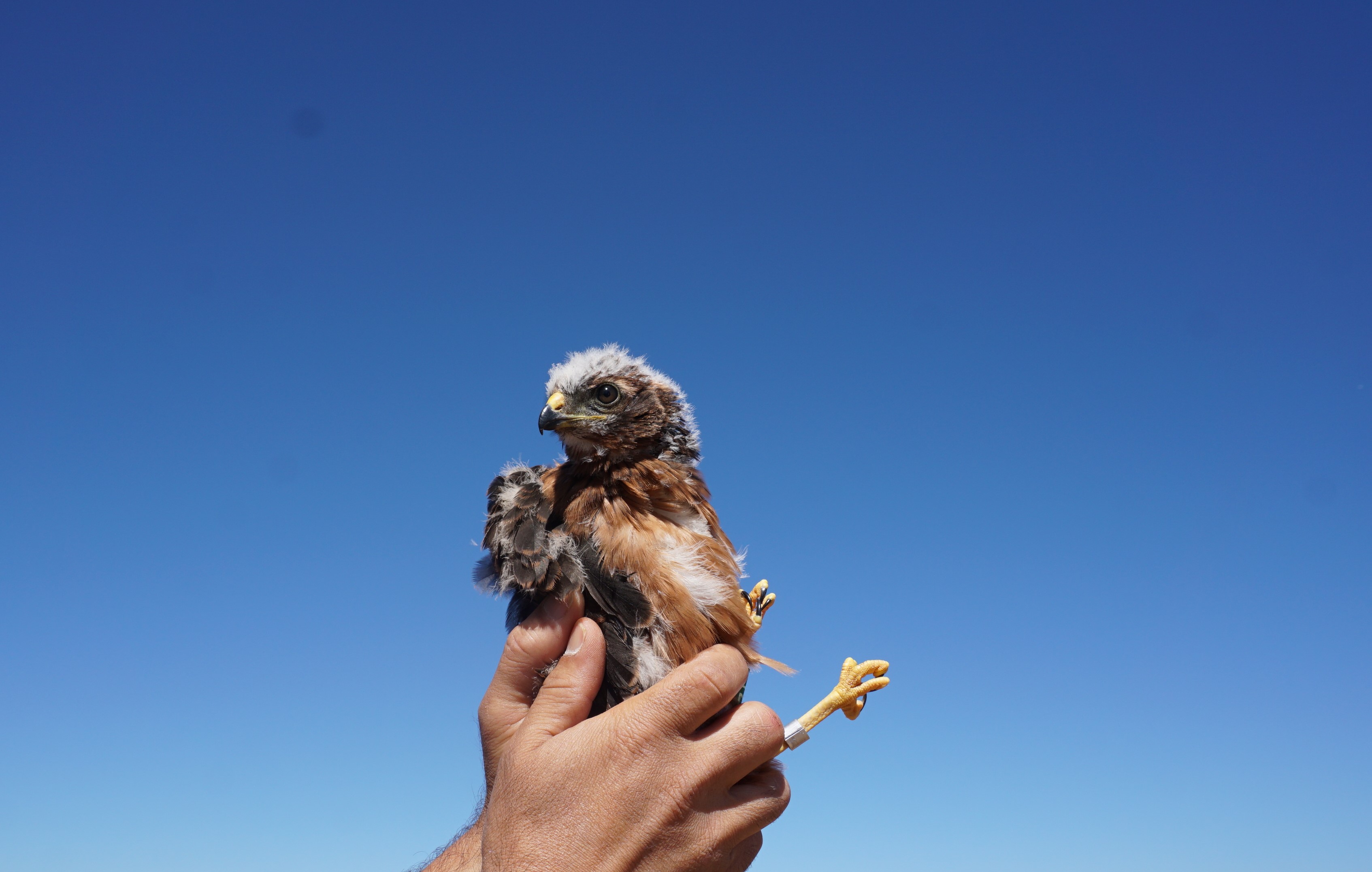
We are saving the Montagu's harrier from extinction. Photo: Uliana de Castro/Palombar.
About the project
It is implemented by a consortium that includes Palombar – Nature and Rural Heritage Conservation (coordinating entity), BIOPOLIS-CIBIO Association, AEPGA – Association for the Study and Protection of Donkeys, ANPOC – National Association of Protein, Oilseed and Cereal Producers, CCDR-N – North Regional Coordination and Development Commission, EDIA – Alqueva Development and Infrastructure Company SA, ICNF – Institute for Nature Conservation and Forests, INIAV – National Institute for Agricultural and Veterinary Research, LPN – Nature Protection League, MC Shared Services SA, Modelo Continente Hipermercados SA, SPEA – Portuguese Society for the Study of Birds, UTAD – University of Trás-os-Montes and Alto Douro, Vita Nativa – Environmental Conservation, AMUS – Action for Wild World, the Department of Agriculture, Livestock and Sustainable Development of the Regional Government of Extremadura, GREFA – Group for the Rehabilitation of Native Fauna and its Habitat, and the University of Murcia.